

In competitive digital markets, conversions rarely happen by accident. They are the result of clear brand messaging delivered at the right moment across a thoughtfully designed customer journey. When these two elements work in harmony, prospects feel understood, guided, and confident—making it easier for them to say yes.
This article explores how aligning customer journey mapping with strong brand messaging leads to higher engagement, trust, and measurable conversion growth.
Understanding Customer Journey Mapping
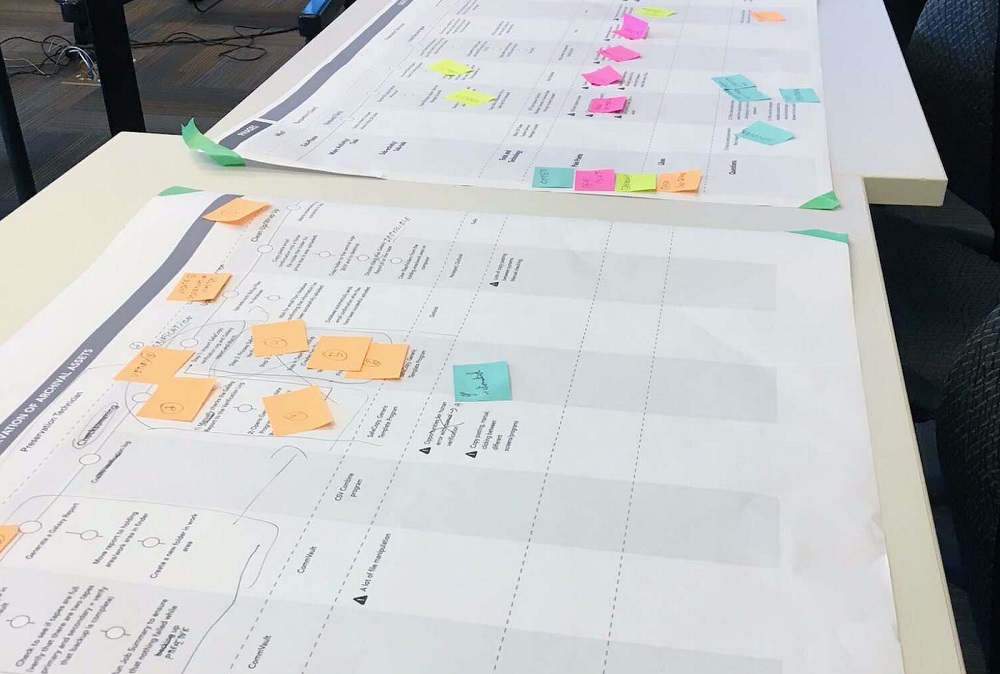
Customer journey mapping is the process of visualizing every interaction a customer has with your brand, from first awareness to post-purchase advocacy. It goes beyond surface-level touchpoints and digs into customer intent, emotions, motivations, and pain points at each stage.
Key Stages of the Customer Journey
-
Awareness – The customer realizes a problem or need
-
Consideration – They evaluate options and compare solutions
-
Decision – They choose a brand and take action
-
Retention – Ongoing engagement after purchase
-
Advocacy – Loyal customers promote your brand
A journey map acts as a strategic lens, helping teams understand why customers behave the way they do—not just what they do.
What Strong Brand Messaging Really Means
Brand messaging is more than a slogan or tagline. It’s the consistent voice, tone, and value proposition that shapes how customers perceive your brand across every channel.
Elements of Effective Brand Messaging
-
Clear value proposition that solves a real problem
-
Consistent tone and voice across platforms
-
Emotional resonance with your target audience
-
Differentiation from competitors
-
Credibility and authenticity
When messaging lacks clarity or consistency, even the most optimized customer journey can break down.
Why Alignment Between Journey Mapping and Messaging Matters
Customers don’t experience your brand in silos. They expect continuity. If your messaging feels disconnected as they move from ads to landing pages to emails, trust erodes quickly.
Aligning journey stages with tailored brand messaging ensures:
-
Messaging meets customer intent at each touchpoint
-
Brand promises are reinforced, not contradicted
-
Friction is reduced across decision-making moments
-
Emotional connection deepens over time
How to Align Customer Journey Mapping With Brand Messaging
1. Map Emotions, Not Just Actions
At every journey stage, identify what customers are thinking and feeling. Messaging should respond directly to these emotions—whether it’s curiosity, hesitation, or confidence.
2. Customize Messaging by Journey Stage
Avoid one-size-fits-all communication. Instead:
-
Awareness stage: Educational, problem-focused messaging
-
Consideration stage: Comparison-driven, proof-oriented messaging
-
Decision stage: Reassuring, action-focused messaging
-
Retention stage: Supportive, value-expanding messaging
3. Maintain Brand Consistency Across Channels
Consistency doesn’t mean repetition. It means your core message stays noticeable, even when adapted for social media, email, landing pages, or ads.
4. Align Internal Teams Around the Journey
Marketing, sales, and customer support should all reference the same journey map and brand message framework. This prevents mixed signals and improves customer experience continuity.
5. Validate With Real Customer Feedback
Use surveys, heatmaps, session recordings, and interviews to confirm whether your messaging actually matches customer expectations at each stage.
Conversion Benefits of Proper Alignment
When customer journey mapping and brand messaging work together, the impact is tangible.
Key conversion improvements include:
-
Higher engagement rates across touchpoints
-
Shorter decision cycles
-
Reduced bounce and drop-off rates
-
Increased trust and brand recall
-
Stronger customer lifetime value
Customers move forward not because they’re pushed—but because the journey feels natural and aligned.
Common Mistakes to Avoid
-
Treating messaging as static while customer behavior evolves
-
Ignoring emotional drivers in journey mapping
-
Overloading early-stage users with sales-heavy language
-
Allowing different channels to tell different brand stories
-
Failing to revisit and refine the journey regularly
Avoiding these pitfalls keeps your strategy grounded and conversion-focused.
Measuring Success and Optimization
Alignment isn’t a one-time task. It requires ongoing measurement and refinement.
Track performance using:
-
Conversion rates by journey stage
-
Engagement metrics per channel
-
Drop-off points within funnels
-
Brand recall and sentiment indicators
-
Repeat purchase and retention data
Use insights to adjust messaging and journey flows continuously.
Final Thoughts
Aligning customer journey mapping with strong brand messaging transforms marketing from a collection of tactics into a cohesive experience. When customers encounter the right message at the right time—delivered with consistency and empathy—conversions become a natural outcome.
The brands that win are those that listen deeply, communicate clearly, and guide intentionally.
Frequently Asked Questions (FAQs)
1. How often should customer journey maps be updated?
Journey maps should be reviewed at least quarterly or whenever customer behavior, products, or markets change significantly.
2. Can small businesses benefit from customer journey mapping?
Yes. Even simple journey maps help small businesses clarify messaging, prioritize touchpoints, and improve conversions without large budgets.
3. What tools are commonly used for customer journey mapping?
Popular tools include visual whiteboards, UX research platforms, analytics tools, and customer feedback software.
4. How does brand messaging influence customer trust?
Consistent and empathetic messaging reassures customers that your brand understands their needs and can reliably deliver value.
5. Is personalization part of journey-message alignment?
Absolutely. Personalized messaging strengthens alignment by addressing individual needs within each journey stage.
6. How do you align messaging across online and offline channels?
Start with a unified brand message framework and adapt tone and format while preserving the core value proposition.
7. What’s the biggest indicator that alignment is working?
Improved engagement, smoother funnel progression, and higher conversion rates across multiple channels signal effective alignment.
