
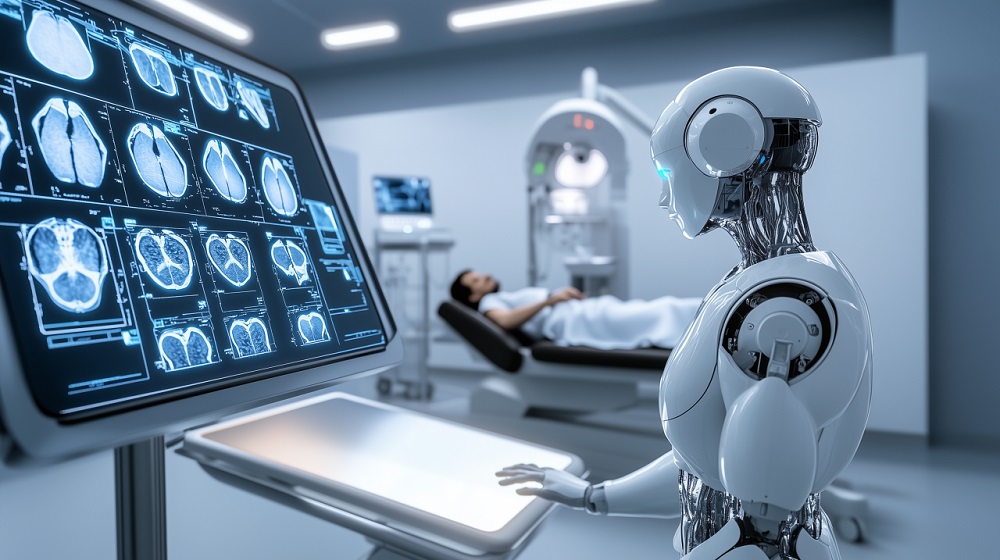

Technology is no longer a distant concept reserved for labs and large corporations. It has woven itself into daily routines, subtly influencing how people work, communicate, learn, and relax. From intelligent devices to invisible software systems, modern tech is evolving faster than ever, often without users fully realizing its impact.
This article explores the most influential technology trends shaping daily life today, focusing on practical applications rather than hype.
The Rise of Intelligent Systems in Daily Use
One of the most transformative shifts in tech is the integration of intelligent systems into everyday tools. These systems analyze data, recognize patterns, and improve over time, making devices more responsive and personalized.
Where Intelligent Tech Shows Up Most
-
Smartphones that predict text, filter photos, and optimize battery life
-
Smart home devices that adjust lighting, temperature, and security automatically
-
Recommendation engines that curate content, music, and shopping suggestions
Instead of replacing human decision-making, these systems aim to reduce friction and save time.
Technology in the Workplace: Efficiency Over Excess
Workplace technology has shifted from flashy tools to quiet productivity enhancers. Automation and cloud-based platforms now handle repetitive tasks, allowing people to focus on creative and strategic work.
Key Workplace Tech Advancements
-
Cloud collaboration tools enabling real-time teamwork across locations
-
Automation software managing scheduling, invoicing, and data entry
-
AI-assisted analytics helping teams make faster, data-backed decisions
This evolution is redefining productivity by prioritizing outcomes rather than hours worked.
Healthcare Technology Becoming More Personal
Healthcare is experiencing one of the most meaningful tech-driven transformations. Modern systems are designed to be more proactive, personalized, and accessible.
How Tech Is Improving Healthcare
-
Wearable devices track heart rate, sleep, and activity levels
-
Predictive diagnostics help identify risks earlier
-
Telemedicine platforms reduce barriers to medical consultations
Technology is shifting healthcare from reactive treatment to preventive care.
Transportation and Mobility Innovations
Transportation technology is focused on safety, efficiency, and sustainability. While fully autonomous systems are still developing, incremental improvements are already making roads smarter.
Notable Changes in Mobility Tech
-
Advanced driver-assistance systems reducing accidents
-
Electric vehicle technology lowering emissions
-
Smart traffic systems optimizing urban mobility
These innovations aim to reduce congestion while improving travel experiences.
The Ethical Side of Rapid Technological Growth
As technology becomes more embedded in daily life, ethical considerations grow more urgent. Privacy, data ownership, and algorithmic transparency are now central concerns.
Key Ethical Questions Being Addressed
-
How is personal data collected and stored?
-
Who is accountable when automated systems fail?
-
How can bias be reduced in algorithmic decision-making?
Responsible tech development is becoming just as important as innovation itself.
Preparing for a Tech-Driven Future
Staying informed is the most effective way to adapt. Rather than mastering every new tool, understanding core technological principles helps individuals stay flexible as systems evolve.
Skills That Matter Most
-
Digital literacy
-
Critical thinking
-
Adaptability and continuous learning
Technology will keep changing, but the ability to learn and evaluate it remains timeless.
Frequently Asked Questions
1. How does modern technology affect everyday decision-making?
Technology assists by providing data-driven insights, but final decisions still rely on human judgment and context.
2. Is technology making people more dependent or more efficient?
It can do both, depending on usage. When used intentionally, technology increases efficiency rather than dependence.
3. Are intelligent systems replacing human jobs?
They are reshaping roles more than replacing them, automating repetitive tasks while increasing demand for creative and analytical skills.
4. How safe is personal data in modern tech systems?
Data security varies by platform. Strong regulations, encryption, and user awareness play key roles in protection.
5. What industries are most impacted by technological change?
Healthcare, transportation, education, finance, and entertainment are among the most affected.
6. How can individuals stay updated without feeling overwhelmed?
Focusing on practical applications and trusted tech summaries helps filter unnecessary noise.
7. Will technology continue to accelerate at the same pace?
While innovation may fluctuate, long-term growth is expected as computing power and connectivity expand.
